- October 2026
 The October 2026 issue of Rider Magazine has arrived! On the cover: Cruising down the streets of St. Augustine, Florida, aboard the Royal Enfield Classic 650. Photo by Royal Enfield Subscribe Now Additional stories in the October 2026 issue of Rider Magazine. Keeping it Classic | First Ride2026 Royal Enfield Classic 650 Track-Bred, Street-Legal | First Ride2026 KYM 990 Duke R Unknown Utah | On The RoadFinding hidden gems in the Beehive State Moto History | Pure MotorcyclingThe secrets behind Royal Enfield’s 125-year run Central Arizona | Favorite RideRising from the fire And more! The post October 2026 appeared first on Rider Magazine. [TheTopNews] Read More.7 days ago
 - Lost Alignments of Route 66
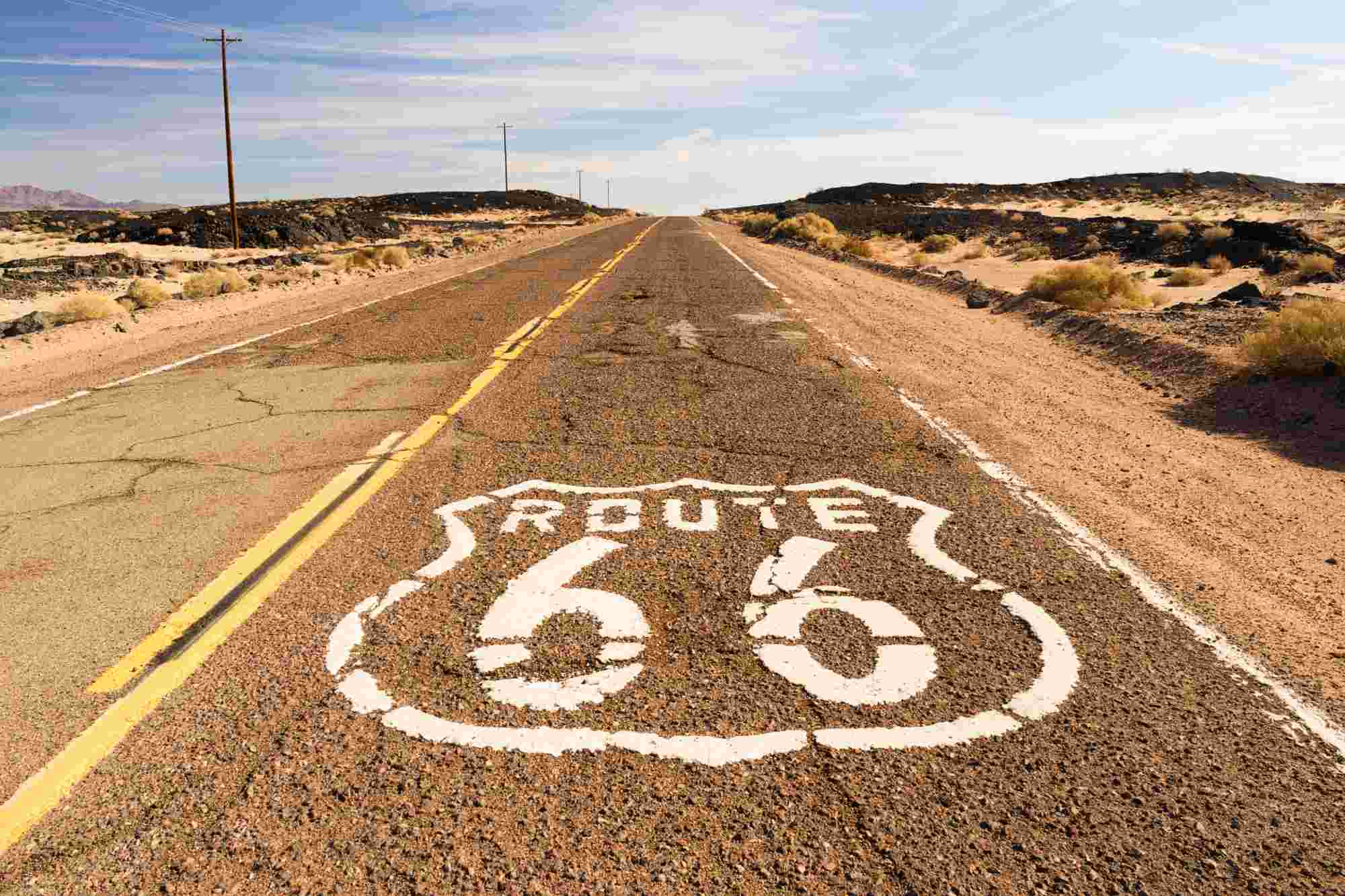
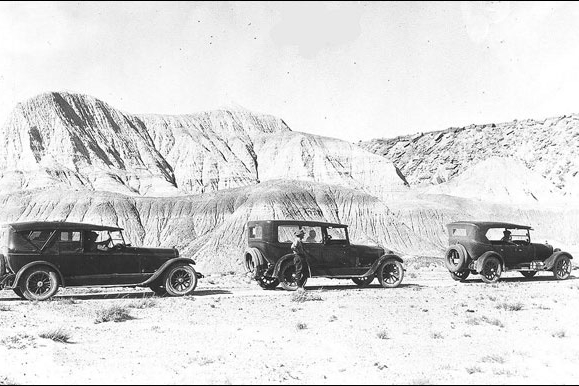
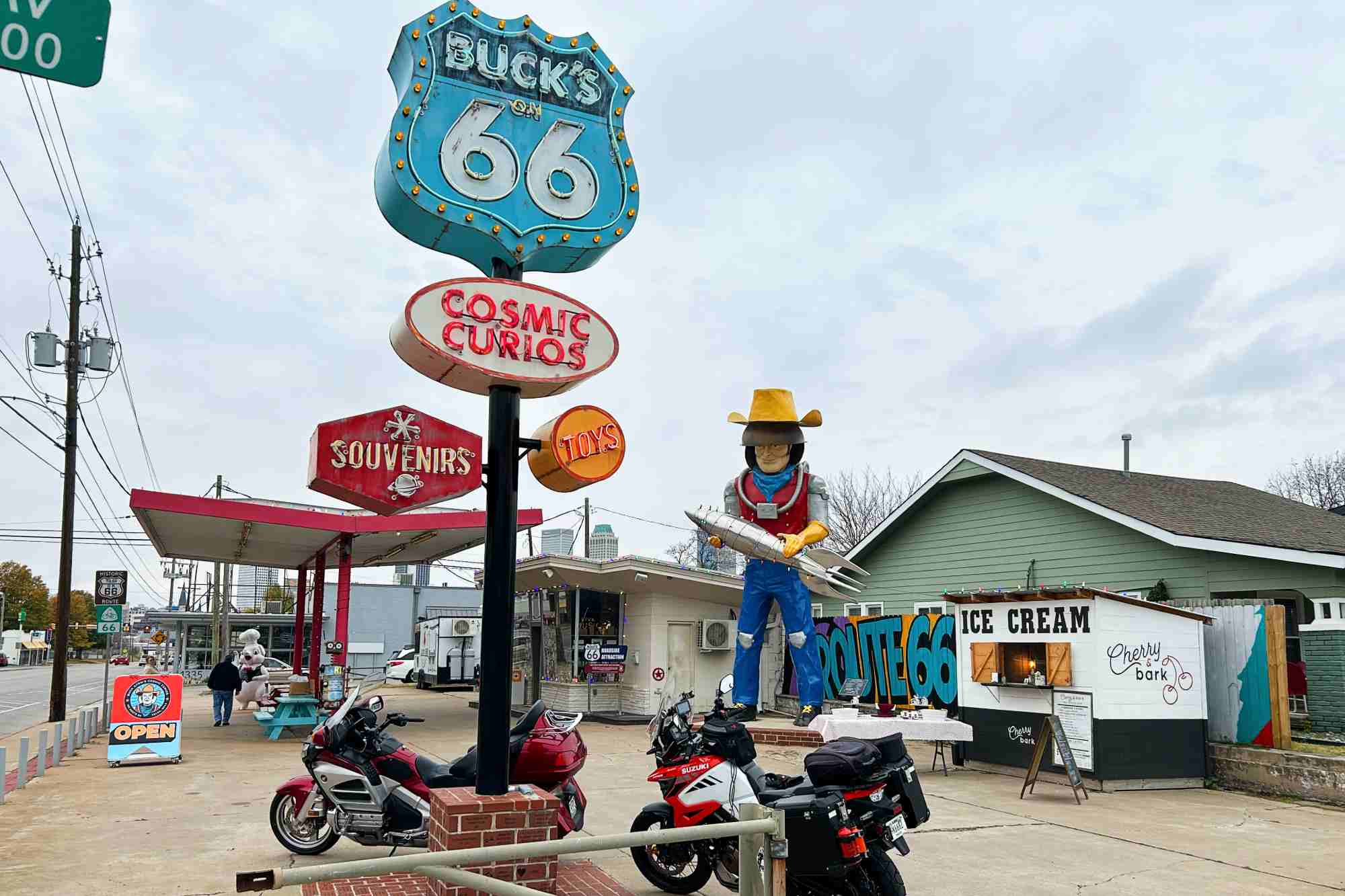
 The Mother Road has seen significant evolution over the past century. Throughout its 100‑year history, Route 66 has been constantly realigned, reshaped, and reimagined. It was an official U.S. highway for a dozen years before it was entirely paved. And just a few months ago, the starting point for what is now Historic Route 66 in Chicago was moved 2 miles to the Navy Pier. The evolution of Route 66 parallels the remarkably history of America throughout most of the 20th century and into the 21st century: from the Depression to World War II, from the economic prosperity of the 1950s to the space race of the 1960s, from the challenges of the 1970s to the modernization of the 1980s, when U.S. Route 66 was officially decommissioned. The past few decades of evolution have been about preservation and revitalization. Lost Alignments Route 66 has a reputation for being one highway, a single line on the map stretching from Chicago to Santa Monica. The reality is far more interesting. For much of its life, Route 66 was not a single road but a living network of evolving alignments which have been rerouted, straightened, bypassed, and sometimes abandoned entirely as America’s transportation needs changed. When the highway was commissioned in 1926, it stitched together existing state and local roads rather than carving an entirely new path. That meant early Route 66 was often indirect, following the contours of towns, farmland, and terrain. It bent into communities instead of skirting them, which is what made it economically powerful. Every turn brought travelers past gas stations, cafes, and motor courts that depended on the steady flow of cross‑country traffic. But roads change, and Route 66 changed faster than most. Old cars ride through the Painted Desert in Arizona following the original dirt road. By the 1930s and 1940s, increasing traffic volumes and the push for faster interstate travel began to reshape the highway. Engineers straightened curves, bypassed crowded downtowns, and shifted the route onto newer pavement where available. After World War II, this process accelerated. Entire segments of U.S. 66 were relocated to improve safety and efficiency, leaving behind long stretches of “old road” that quietly slipped into local use – or simply faded away. By the time the Interstate Highway System arrived in 1956, Route 66’s fate was sealed. Interstates 55, 44, 40, and 15 gradually replaced… [TheTopNews] Read More.1 week ago
 - The Rise, Fall, and Revival of Route 66 Gas Stations
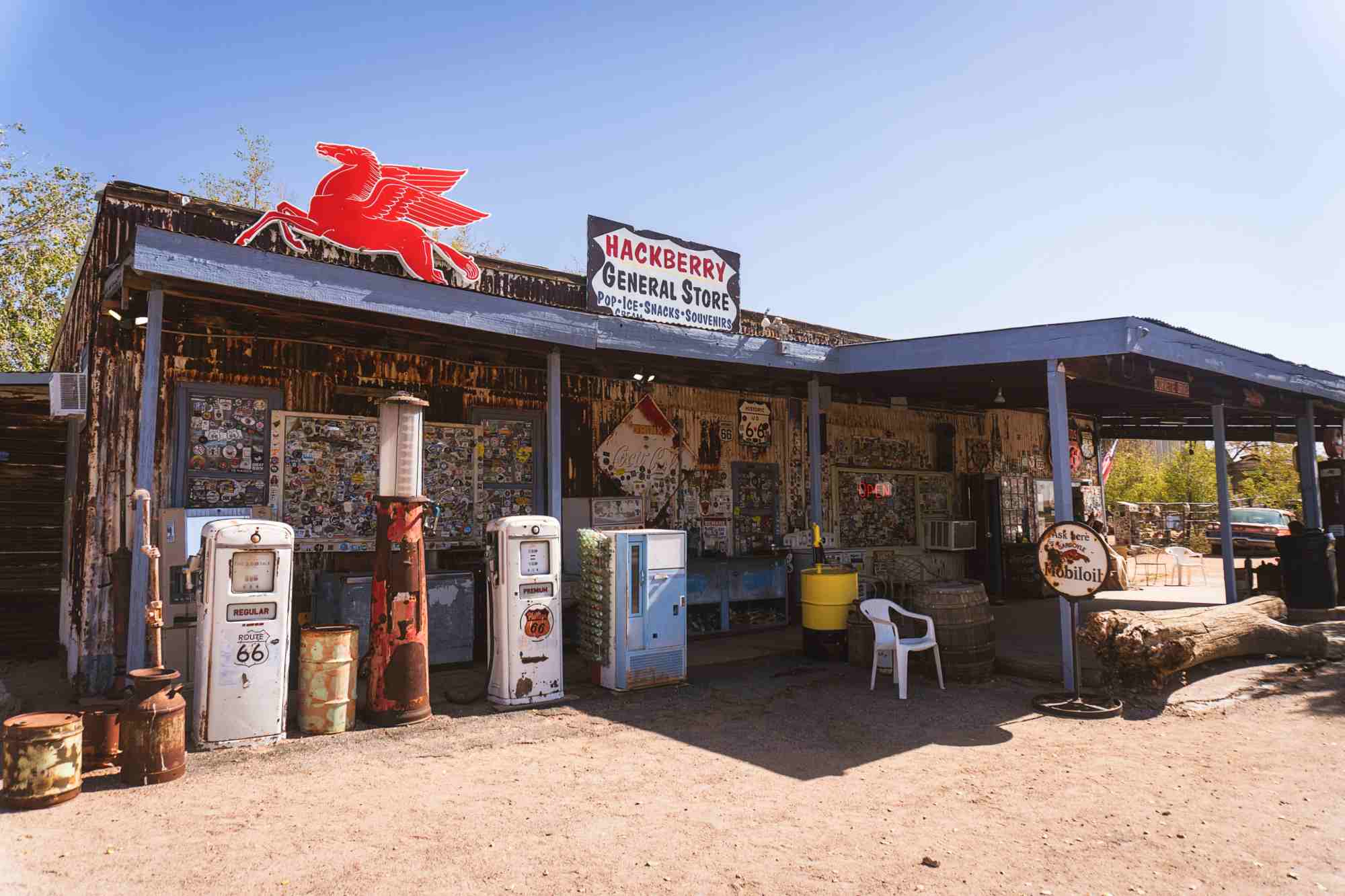
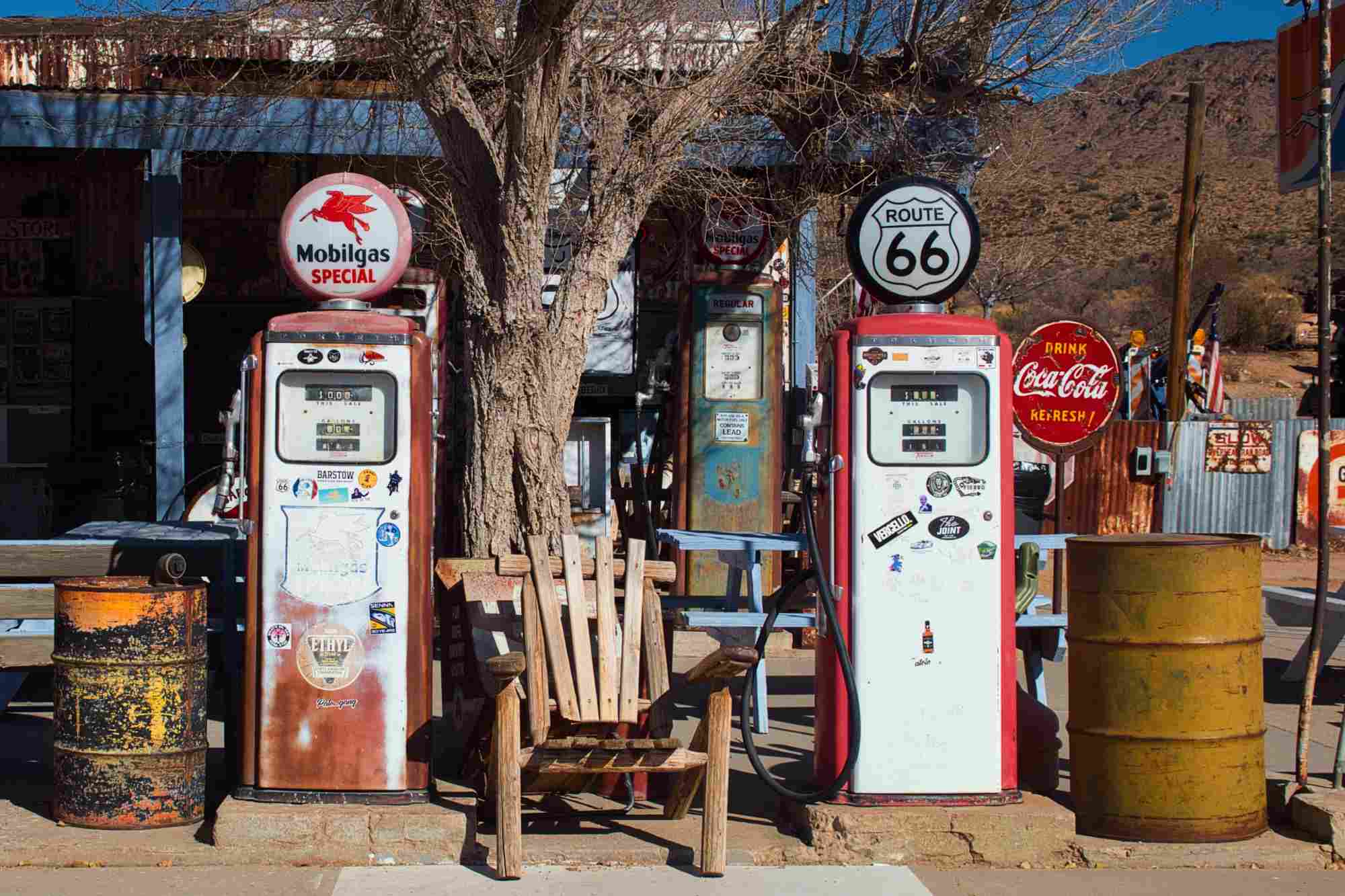
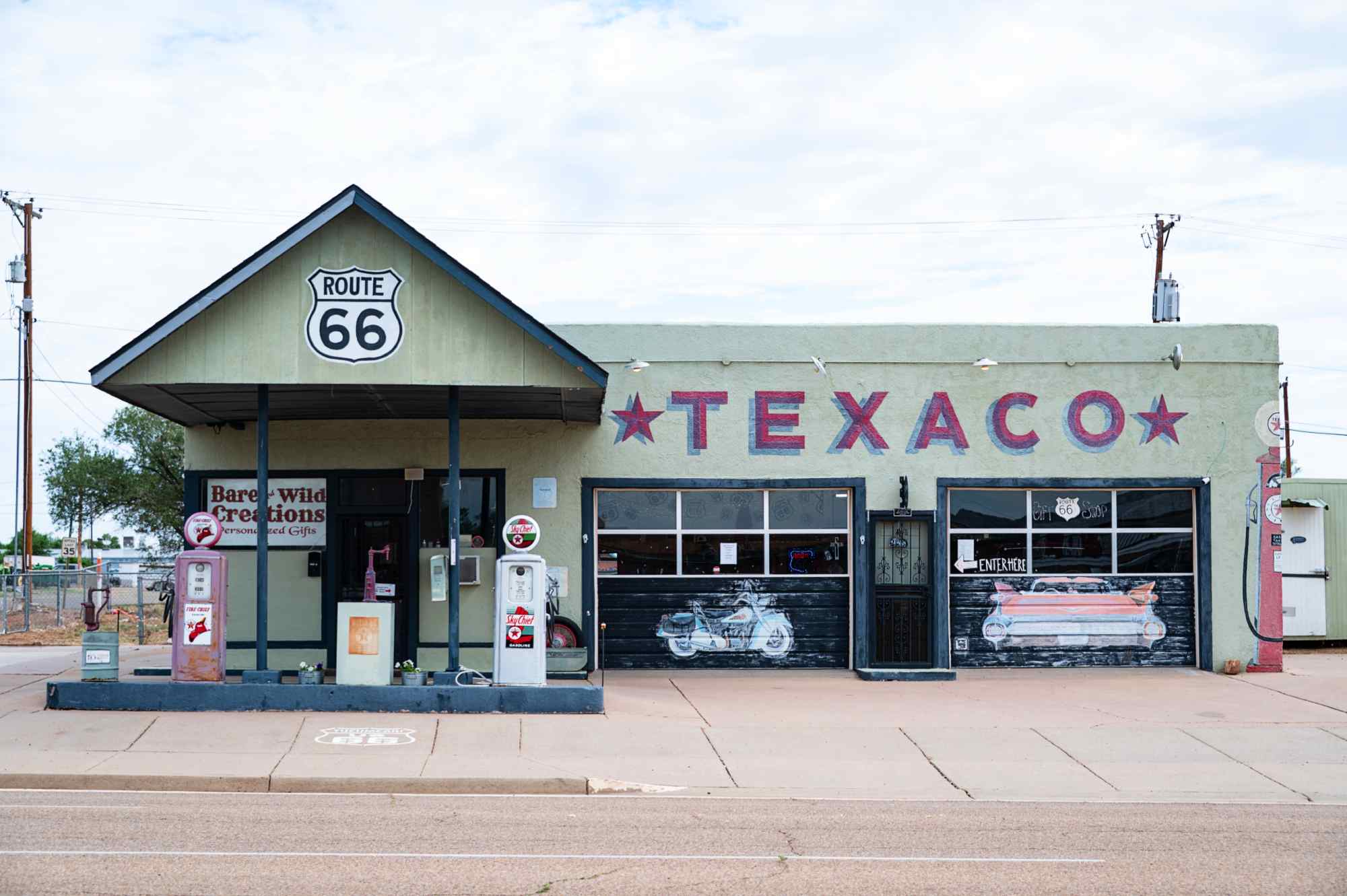
 Gas stations serve a critical role in a country as car-dependent as the United States. Along interstates, they offer travelers a place to fuel up, get a bite to eat, and use the facilities. In small towns or areas without other nearby businesses, gas stations serve as small grocery stores where customers can grab essentials. Some are even attached to museums and historical sites, giving travelers a reason to pull over and spend some money. In Route 66’s heyday, fuel stops functioned a little differently than they do today. In the early 20th century, automobile drivers and motorcyclists bought their fuel from places like pharmacies and hardware stores, either sold in cans or out of barrels. As vehicular travel became more popular and people began driving and riding farther distances, the need for quick roadside fuel arose. The earliest gas stations were little more than barrels housed in rough sheds beside the road. By the mid-1920s and into the 1930s, fuel companies saw an opportunity to sell more gas by catering to long-distance travelers with a welcoming roadside experience. Thus the service station was born. Service stations offered more than just fuel. The whole experience was about service. Attendants would pump fuel, wash windshields, inspect tires and oil level, and perform other maintenance tasks. The cottage-style service stations that replaced poorly constructed roadside fuel sheds gave travelers a chance to stretch their legs, purchase maps, ask for directions, learn local knowledge from helpful attendants, and share stories with fellow road trippers. In many ways, service stations made long-distance automobile and motorcycle travel not only possible but practical. On no stretch of road was this level of care more important than on the long miles between Chicago and Los Angeles. Like the motor courts and eateries that popped up to serve travelers along Route 66, service stations brought much needed revenue to small communities and essential services to those passing through them. When Route 66 was decommissioned, businesses that were born in response to increased travel along the route suffered, including service stations. Many were abandoned and left to crumble over time. Some were transformed into other businesses to meet new needs. Some were demolished to make way for something new. Luckily, a few have survived the decades and been preserved or restored to give travelers a chance to peel back the curtain… [TheTopNews] Read More.2 weeks ago
 - Ride With Rider at the 2026 Big East Powersports Show
 Join Rider editors for a scenic early-fall ride through central New York on Saturday, October 3. Fall is prime riding season in upstate New York, and this year, Rider is bringing the two-wheeled fun to the Big East Powersports Show in Syracuse. On Saturday, October 3, join Rider Editor-in-Chief Marisa McInturff and Managing Editors Allison Parker and Justin Coffey for the Big East Ride With Rider, a scenic 140-mile motorcycle ride through the roads and scenery of central New York. The ride begins at the New York State Fairgrounds Expo Center in Syracuse. Check-in starts at 8 a.m. at Gate 2 on State Fair Blvd., followed by a brief riders meeting before kickstands go up at 8:30 a.m. All riders, street-legal motorcycles, brands, and experience levels are welcome. The ride is free to attend. The approximately four-hour route heads into the countryside surrounding Syracuse, with a stop at Cayuga Lake and a visit to Taughannock Falls State Park. Riders will experience some of the best early-fall scenery the region has to offer before looping back to the Expo Center around 12:30 p.m. Download the GPX file There’s a pretty good reason to make the ride part of your Big East Saturday: riders who participate get free admission to the Big East Powersports Show. Once back at the Expo Center, the Big East Powersports Show opens up a full day of motorcycles, snowmobiles, ATVs, UTVs, riding gear, accessories, vendors, and powersports enthusiasts. The 2026 show runs October 2-3 at the New York State Fairgrounds Expo Center, with Saturday hours from 9 a.m. to 7 p.m. There will be plenty to explore after the ride, including the return of the Big East Classic, a massive vintage snowmobile display featuring more than 100 classic sleds judged across 15 classes. The show will also feature the Globe of Death motorcycle stunt show, a swap meet, exhibitors, food, and other activities throughout the day. One of the day’s highlights comes at 1 p.m., with the unveiling of Rider‘s 2026 Motorcycle of the Year. So whether you’re coming for the ride, the motorcycles, the vintage sleds, the gear, or simply a good excuse to spend an October Saturday around fellow powersports enthusiasts, there’s plenty waiting at Big East. Ride With Rider Saturday, October 3, 20268 a.m. – Check-in and riders meeting8:30 a.m. – Ride departsApproximately 12:30 p.m. – Return to Expo Center1 p.m.… [TheTopNews] Read More.2 weeks ago
 - Wind and Throttle Women’s Lara Cargo Motorcycle Pants Review
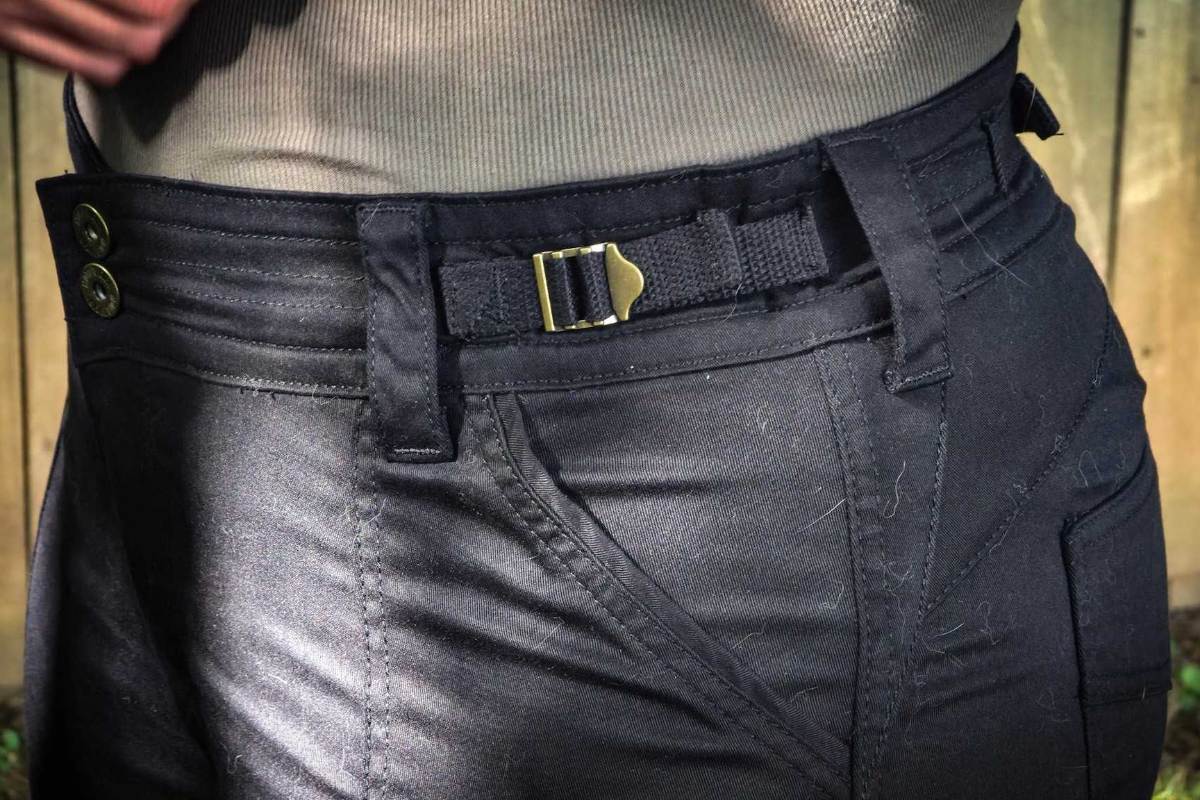
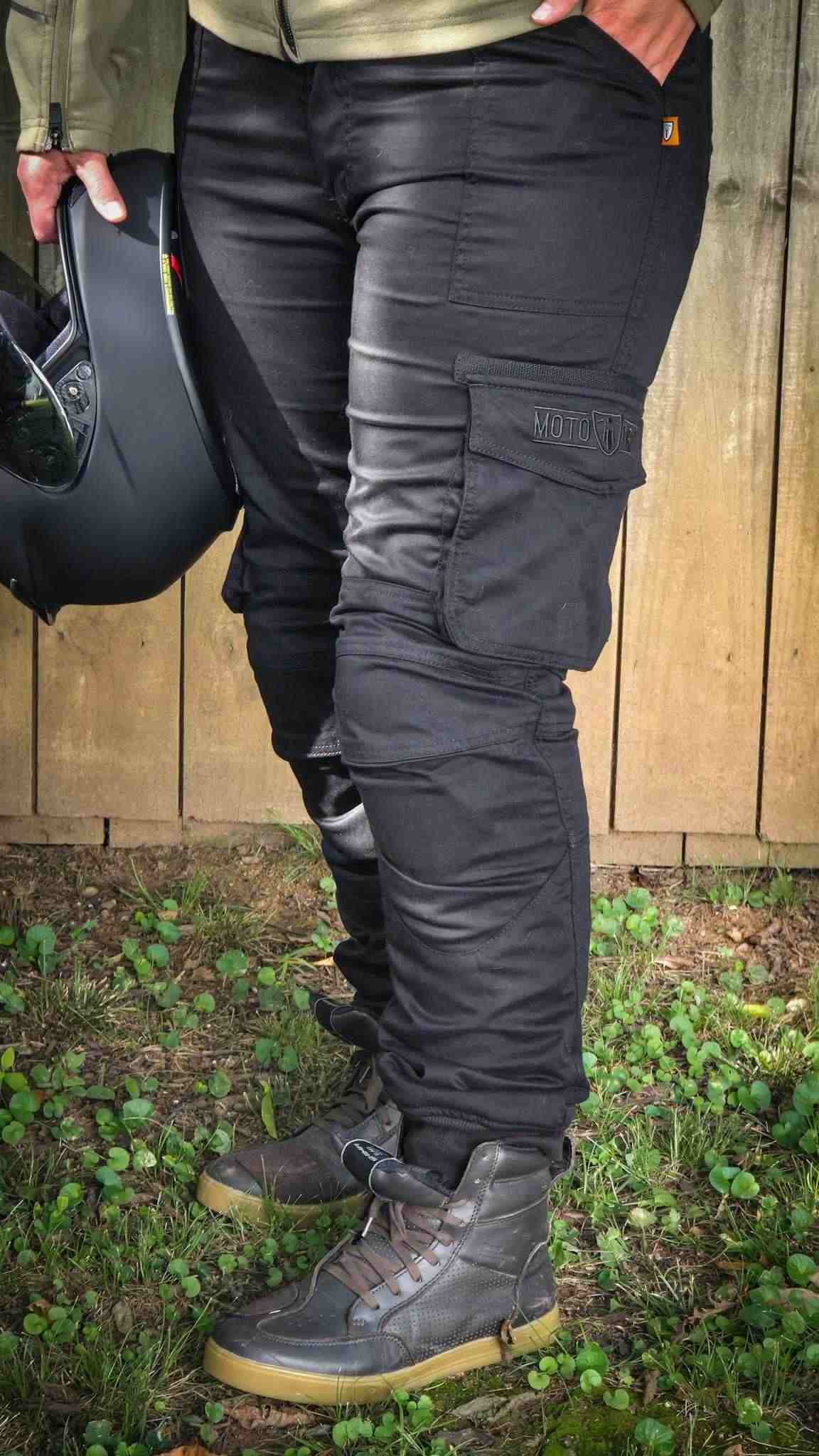
 Finding women’s riding gear that balances protection, comfort, and everyday style can be a challenge, but the Wind & Throttle Lara Cargo Motorcycle Pants make a strong case for becoming a staple in the riding wardrobe. At first glance, the Lara Cargo Pants don’t look like traditional motorcycle pants. Their modern cargo styling and slim fit blend in off the bike, making them easy to wear to lunch, around town, or while exploring a destination after a ride. Plus, multiple cargo and zippered pockets provide practical storage. The biggest surprise came the moment I picked them up. These pants are substantially heavier than they appear. The weight comes from a three‑layer construction that includes an outer layer for style, middle kevlar layer for protection, and inner mesh layer for comfort. They also carry a CE Certified A rating, with CE level 2 armor in the knees and hips. The knee armor pockets are adjustable so you can get just the right fit. Rather than feeling like casual pants with armor added as an afterthought, the Lara Cargo Pants feel purpose‑built for riding. That robust construction comes with a tradeoff. Here in Tennessee the summers get quite hot and humid. On hotter days, the heavier construction retains heat more than lightweight mesh or single‑layer riding jeans. Ventilation is limited, and during high temperatures I found myself wishing for a little more airflow. These aren’t the pants I’ll reach for on a humid, 95‑degree afternoon. Where they really shine is in cool weather. As temperatures begin to drop in the fall, the added weight becomes an advantage rather than a drawback. The layered construction helps block cool air, making the pants noticeably more comfortable on crisp mornings and longer shoulder‑season rides. Comfort on the bike is excellent. The articulated fit allows for unrestricted movement, and the light stretch built into the fabric keeps the pants from feeling stiff despite their substantial construction. Off the bike, they maintain a flattering, casual appearance that doesn’t immediately advertise them as motorcycle gear. The fit is a huge benefit to the Lara Cargo, as it’s designed for a curvy figure with wide hips. The sizing ranges from XXS to 5XL with lengths in petite, regular, and tall. It only took a few minutes with their size chart and a tape measure to determine the proper fit. The best part is… [TheTopNews] Read More.2 weeks ago
RIDER MAGAZINE – Motorcycles | Sports & Recreation