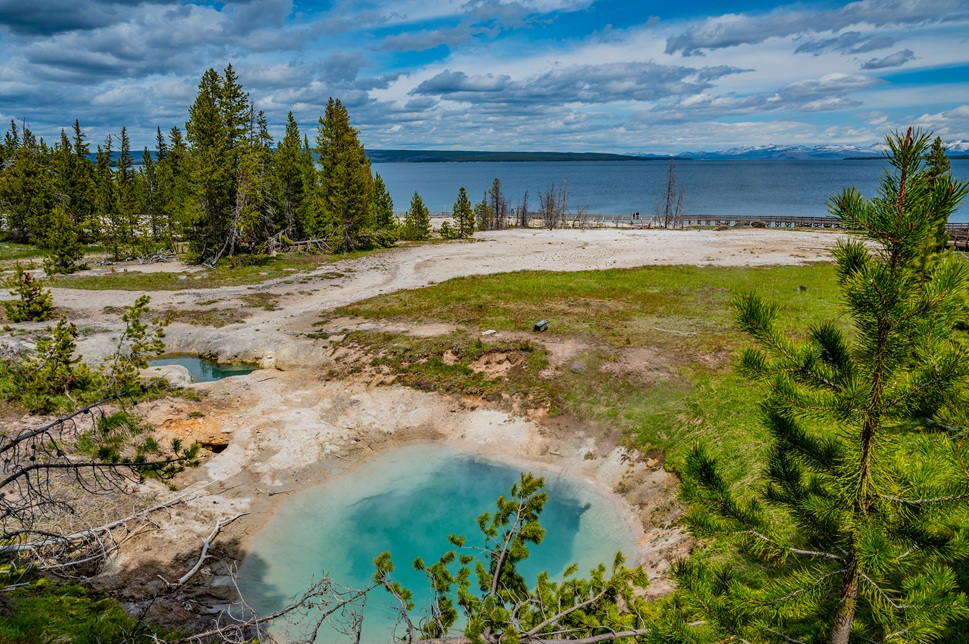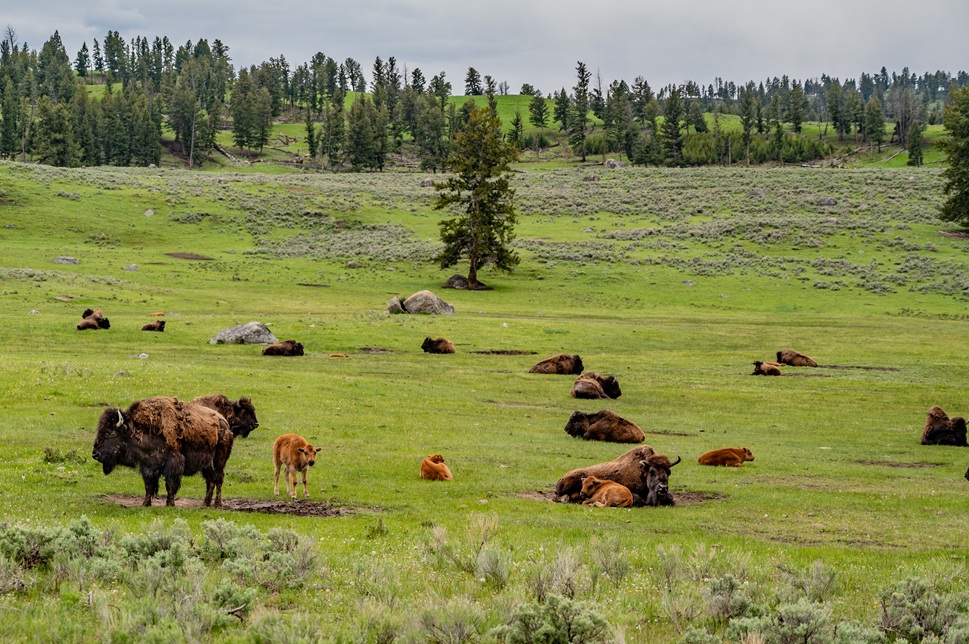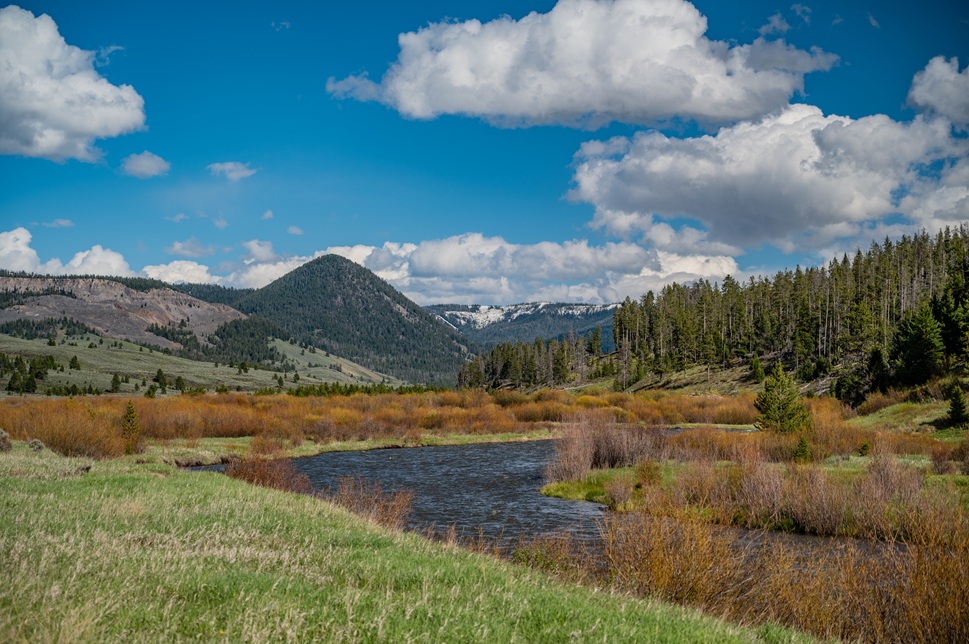

Riding into Yellowstone National Park doesn’t feel like entering a destination so much as crossing into a different operating system. The scale changes first. Then the silence. Then, without warning, the road starts sharing space with things that don’t care if you’re on a motorcycle – bison, elk, and the occasional bear that remind you quickly why this landscape is still wild. For motorcyclists, Yellowstone isn’t a single ride. It’s a looped network of geothermal corridors, high-elevation sweepers, and long sightline highways that stitch together some of the most unique riding in North America. Sitting primarily in Wyoming but extending into Montana and Idaho, the park is centered around a massive volcanic caldera that fuels geysers, hot springs, and fumaroles unlike anywhere else on the continent. The main riding structure is simple on paper: a large figure-eight road system connecting the North, South, East, and West Entrances. In practice, it becomes a constantly shifting experience shaped by traffic flow, wildlife movement, and weather that can swing from sun to sleet in the same afternoon. The Grand Loop Road is the backbone. It connects the park’s major zones: Old Faithful, Yellowstone Lake, Mammoth Hot Springs, and the Grand Canyon of the Yellowstone. Each section feels distinct. In the west, geothermal activity dominates – steam vents, boiling pools, and boardwalk-lined zones where the earth literally breathes. In the central and eastern sections, the landscape opens into high meadows and river valleys where bison herds often dictate your pace more than any posted speed limit. The stretch of highway between Yellowstone Lake and the Grand Canyon of the Yellowstone is especially striking – wide views and a sense that the entire landscape is still in motion beneath the surface. The park also forces a different kind of riding discipline. Traffic is steady in peak months, often slow, and concentrated around major attractions. That means patience matters more than throttle. Riders who treat Yellowstone like a sport-touring loop quickly learn it behaves more like a moving observation platform. Weather adds another layer. Even in summer, elevations above 7,000 feet can bring cold mornings, sudden storms, or wind strong enough to change how the bike feels at highway speeds. Afternoon thunderstorms are common, and temperature swings can be dramatic between valleys and ridgelines. Despite the constraints, Yellowstone offers something rare: a ride where every stop is… [TheTopNews] Read More.
2 weeks ago