








Searchable News & Info From Reliable Online Sources.
- CBS News fires veteran journalist Scott Pelley from 60 Minutes after clash with ...
 CBS News has confirmed that it fired veteran 60 Minutes correspondent Scott Pelley in the wake of a publicly disclosed clash with the show's new executive producer, Nick Bilton. [TheTopNews] Read More.3 weeks ago
 - 2 missing miners face ‘horrendous’ conditions, says Laos cave rescuer | Hano...The search continues for two miners who remain trapped in a flooded cave in Laos. Rescuer Josh Richards talks about the tight, claustrophobic conditions they are dealing with. [TheTopNews] Read More.3 weeks ago
- How hard was it for Trump to ace his cognitive test? | About ThatU.S. President Donald Trump claims his perfect results from a recent cognitive exam demonstrate his 'extreme intelligence' — but that's not what the test is meant to measure at all. Andrew Chang breaks down the exam questions to explain what it's actually designed to do. (Photo credits: The Canadian Press, Reuters, Adobe Stock and Getty Images) [TheTopNews] Read More.3 weeks ago
- Idris Elba still isn’t James Bond, but he’s now a knightIdris Elba might not be the new James Bond, but he is now one of the U.K.'s newest knights. He was one of several stars who were honoured at Windsor Castle, tapped on the shoulder with a shiny sword and officially knighted by King Charles on Tuesday. [TheTopNews] Read More.3 weeks ago
- Rickie Lee Jones at the Barbican
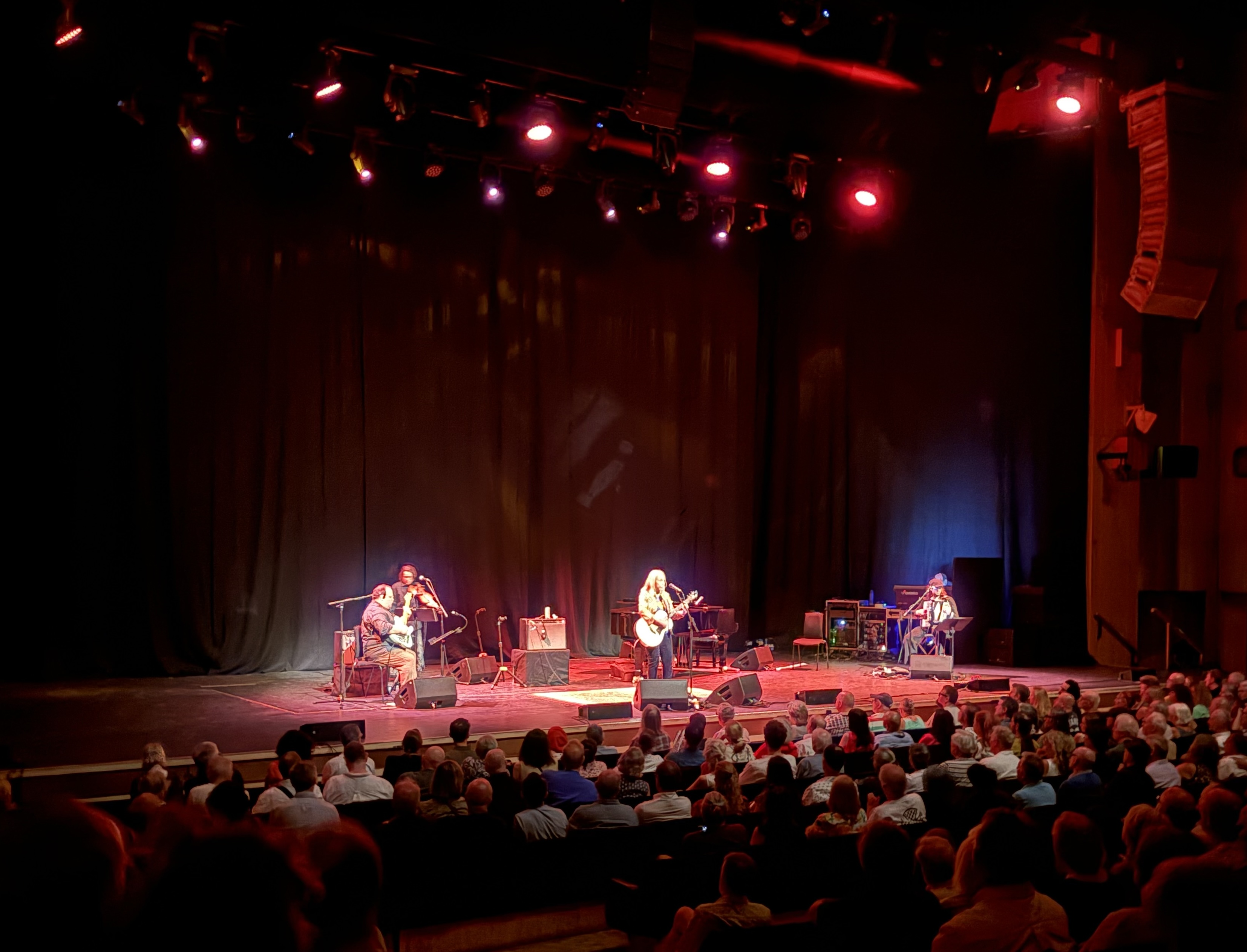
 Like Bob Dylan, Rickie Lee Jones gives a great deal of ongoing thought to how she presents her songs in terms of musical arrangement. Such care is never allowed to outweigh the feeling of freshness and spontaneity, even when the material concerned is getting on for half a century old, as were the five songs from her debut album, written when she was barely into her twenties, included in last night’s 90-minute set. Her current touring band includes the brilliant Ben Rosenblum on accordion, piano and harmony vocals, the divine Petra Haden on violin, percussion and harmony vocals, and the very fine Vilray Bolles on Fender Telecaster. It’s a beautifully dextrous and flexible unit, capable of handling the way Jones likes to stretch songs such as the opening “Weasel and the White Boys Cool”, “We Belong Together” and “Living It Up” into woozy mini-symphonies. Just about everything about the evening was deeply enjoyable, including her very funny introductions and digressions and a couple of wonderful extended solos on the standards she inserted in the middle of the set: deft jazz guitar from Bolles on “On the Sunny Side of the Street”, swooning accordion from Rosenblum on “Hi-Lilli, Hi-Lo”. When Haden and Rosenblum joined Jones for the high harmonies, particularly on “Weasel” and “We Belong Together”, the effect was spine-tingling. Gradually she drew the audience into a closer involvement, which seemed to deepen when she talked about when she sang “Bonfires”, the very plain, folk-based break-up song which was written for 2009’s Balm in Gilead but sounds about a thousand years old. The last half-hour was a beautiful slide through “The Horses”, written at the end of the 1980s for her infant daughter, the emotional exposure of “Coolsville”, the gorgeous “A Tree on Allenford” (from 2003’s The Evening of My Best Day), and, as a valediction, the immortal “Last Chance Texaco”. Pretty close to a perfect night. * Rickie Lee Jones is at the Apex, Bury St. Edmunds, tonight (May 27), Warwick Arts Centre, Coventry on May 29 and the RNCM Theatre in Manchester on May 30. [TheTopNews] Read More.4 weeks ago
 - Miles at 100
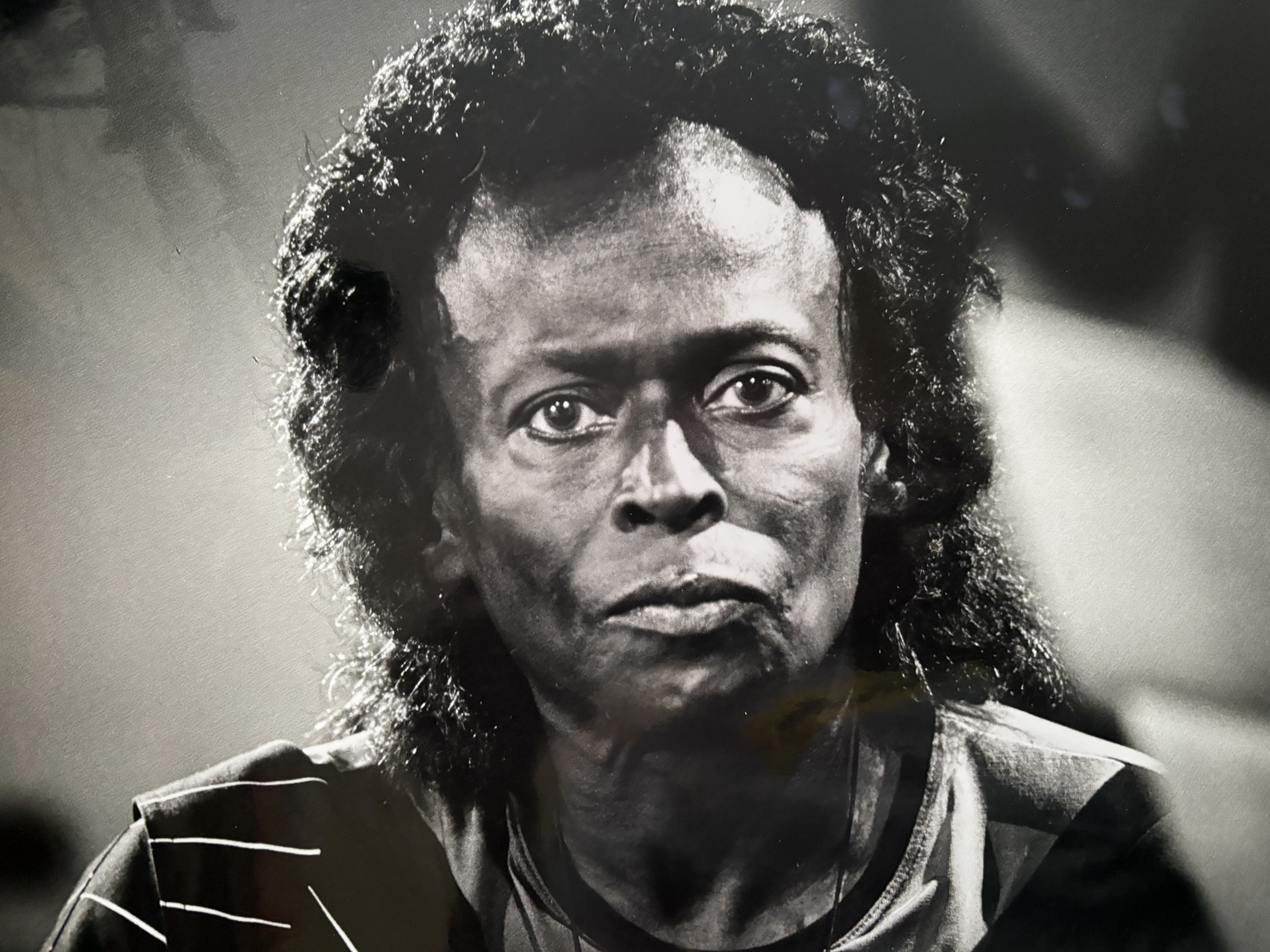
 There’s so much Miles Davis around just now, in celebration of today’s centenary of his birth on May 26, 1926. There are stage plays (I went to one in Southwark, starring the trumpeter Jay Phelps), orchestral concerts at the Cheltenham Jazz Festival and the BBC Proms starring Guy Barker and Ambrose Akimusire respectively, tribute albums like A Supreme Blue by Nicholas Payton and Butcher Brown, and audiophile editions of landmarks such as Birth of the Cool and the soundtrack to Lous Malle’s Ascenseur pur l’echafaud. And there’s Radio Three’s composer of the week slot, presented by Kate Molleson, which began very promisingly on Monday. Good. He deserves it all. I’ve written a lot about him in the past (including a couple of books), and although I want to mark this occasion, I don’t really have anything new to add to the debate. So here’s an unpublished photo I took of him at Montreux on July 7, 1991, during rehearsals for the following day’s concert, when he played Gil Evans’s historic charts in front of a specially assembled large ensemble conducted by Quincy Jones. He didn’t look strong and his playing was fragile, but the spirit was still there in his eyes and his manner. He wanted to make it good, of course, particularly after overcoming his lifelong aversion to looking in the rear-view mirror. Just under three months later, in a hospital in Santa Monica, he died from a combination of factors, including bronchial pneumonia and a cerebral haemorrhage. He was 65. I fell in love with his music when I heard “Milestones” — the one with Cannonball Adderley, John Coltrane, Red Garland, Paul Chambers and Philly Joe Jones — at my school’s jazz society in, I think, 1960. An older boy had brought it on a UK Fontana EP for us to absorb while clustered around the gramophone. Pretty soon I came to think of what it contains in five minutes and 42 seconds as a rare example of perfection in art, and I’ve never seen a reason to resile from that opinion. The one little trumpet fluff on the bridge of the final theme statement is the dropped stitch in the Persian rug, included by the weaver in acknowledgment that true perfection belongs only to Allah. Well, I don’t really know about that. But if I could take only one piece of music… [TheTopNews] Read More.4 weeks ago

The Searchable USWebDaily.com and TheTopNews NewsBank Helps You Be Better Informed, Faster! Spread The Word.