




Searchable News & Info From Reliable Online Sources.
Latest Real News From 140 News Sites Updated Every 15 Minutes.
- The Company Trump Can’t Ignore
 On the evening of April 6, an unusual request began making its way from Washington to some of Wall Street’s most powerful executives. Treasury Secretary Scott Bessent wanted to see them first thing the next morning. The heads of Bank of America, Citigroup, Goldman Sachs, Morgan Stanley and Wells Fargo had already been in Washington for a routine meeting of the Financial Services Forum, a trade association whose gatherings are usually free of drama. But as the bankers wound down their day over dinner and drinks, that quickly changed. Bessent had learned that the artificial intelligence company Anthropic had developed a new model, called Mythos, which would be released the next day to approved users in the public and private sector, a limited rollout that Anthropic said was the safest way to release its most capable model yet. Treasury secretaries do not typically occupy themselves with Silicon Valley product releases, but the growing capabilities of AI presented a unique threat to the American economy.Anthropic had briefed the government on the advanced model, which was capable of finding holes in digital infrastructure at lightning speed — a skill that could be used for defense in the right hands, or to wreak havoc in the wrong ones. In late March, Microsoft had privately warned administration officials after receiving early access to Mythos that it represented a significant leap and could automate sophisticated cyberattacks against financial institutions, the energy grid and other critical infrastructure, allowing less skilled actors to carry out operations once limited to elite hackers.The White House spun into crisis mode. In the Situation Room, Cabinet secretaries met with the administration’s top science adviser to understand Mythos’ capabilities and brainstorm how their agencies could respond. Afterwards Vice President JD Vance convened a phone call with some of the country's most influential technology executives, including Anthropic CEO Dario Amodei and his leading competitors. Vance conveyed that the administration wanted a partnership in addressing frontier AI that supported innovation while balancing security concerns.“We know today's hot button thing is Mythos, but we know that's not going to be the last one,” an administration official involved in the discussions said, describing the call.That engagement represented a turnabout for a president who had returned to office banking on continued expansion of the American artificial intelligence sector to drive the country’s economic growth. As his AI czar, President Donald Trump chose David Sacks, a cheerleader… [TheTopNews] Read More.3 weeks ago
 - Mike Waltz Has Quietly Signaled He’s Looking Past the UNFailure doesn’t have to kill ambition. Mike Waltz ought to know.After the infamous Signal chat debacle, which contributed to President Donald Trump's decision to oust him as national security adviser, Waltz was sent to serve as the U.S. ambassador to the United Nations. Instead of hiding at the struggling global institution in New York, Waltz has seized chances to stay in the spotlight, from hosting hip-hop royalty to warning Cuba’s leaders to “change your ways” to blitzing the Sunday shows defending the U.S.-Israel war in Iran.Next week, Waltz will find himself near the cameras again as Trump attends the U.N. General Assembly’s annual gathering of world leaders. It’s an opportunity for Waltz to get facetime with Trump as well as other heads of state in an array of settings. Maybe he will even pass out his team’s popular “MUNGA” hats (“Make the U.N. Great Again”).My understanding is that Waltz is thinking well beyond the corridors of Turtle Bay.Around Washington, there’s speculation that he might someday go for a Senate seat from Florida, and no one rules out a presidential run. I’ve also heard he wouldn’t mind a quicker return to the capital. The late Sen. Lindsey Graham (R-S.C.) told people that Waltz had sought his support in becoming secretary of State should Marco Rubio, whom many pols suspect has presidential aspirations, leave the role. I heard this directly from two people Graham told in separate conversations, one of whom is a Republican elected official. One of them said their conversation with Graham took place several weeks before the senator died on July 11. Graham indicated that he’d spoken with Waltz very recently, the person said.Like many who spoke for this piece, I granted them anonymity to talk about sensitive matters.Asked about Waltz’s talk with Graham, Waltz’s office insisted in a statement: “This conversation never happened. It’s completely fake.” The office criticized POLITICO for reporting on the matter given that there’s no way for the late senator to refute it. Waltz’s office didn’t respond to questions about whether he had any other political aspirations.An aide to the late Graham did not respond to my emails seeking comment.Many people have had second, third or 15th lives in the era of Trump. The president prizes loyalty, or at least likes a good groveler. Waltz stands out, though, because he’s not widely despised or — the Signal screw-up aside — considered incompetent. If anything,… [TheTopNews] Read More.3 weeks ago
- Democrats’ Influencer Era Has Arrived
 Gina Hinojosa, the Democrat trying to win the governor's mansion in Texas, confessed her love for the Wicked musical whilemixing a strawberry milk latte witheli.rallo (an influencer with 1.2 million TikTok followers). Peggy Flanagan, the Democrat trying to win a Senate seat in Minnesota, ran around the state fair withemmalinechilds (300,400 TikTok followers), wielding“pronto pups” — Midwestern corn dogs — and declaring it the “best day ever.” And Roy Cooper, the Democrat trying to win the Senate race in North Carolina, stood on the sidelines of a campaign rally to askmerenator (57,800 Instagram followers) what her biggest challenge is,teeing up a response about a shaky economy for small business owners. This is campaigning in the age of influencers. As political campaigns are waged more and more on the internet — a place where everyone seems driven by an insatiable hunger for attention — a debate is brewing about whether elections can be won or lost online. After Trump’s 2024 victory, Democrats are playing catch up by taking a page from the GOP playbook: Influencers are being deeply embedded into campaigns, from Florida to Alaska, and candidates are popping up on screen with them, on their turf. Developing an influencer program is now a common component of a campaign, mapped alongside traditional voter outreach methods like door-knocking and phone-banking. This approach isn’t without controversy. Within the Democratic Party there’s a raging discussion about the ethics of engaging boisterous online personalities — and sharp disagreement about whether influencers should be brought on board at all. No one can agree if they should be paid or remain volunteers or if they should be considered independent journalists or campaign surrogates or something else entirely. Longtime Democratic consultants tend to be antsy about influencer adoption, skeptical that any investments will reap dividends come Election Day. Meanwhile a cottage industry of digital firms specializing in connecting campaigns with vetted influencers is booming — a new consultant class eager to cash in on Democrats’ internet inexperience. “This is not something that is optional anymore,” says Stuart Perelmuter, co-founder of digital firm Good Influence, one of those operations. “In the ‘26 cycle, that's when our side woke up to the power of this work.”Nearly 20 years ago, rapper/producer will.i.am of Blackeyed Peas fame stared directly into the camera, looking somber. As a few guitar chords began to play, Barack Obama, a baby-faced Democrat running for president, appeared on… [TheTopNews] Read More.3 weeks ago
 - The Rise, Fall, and Revival of Route 66 Gas Stations
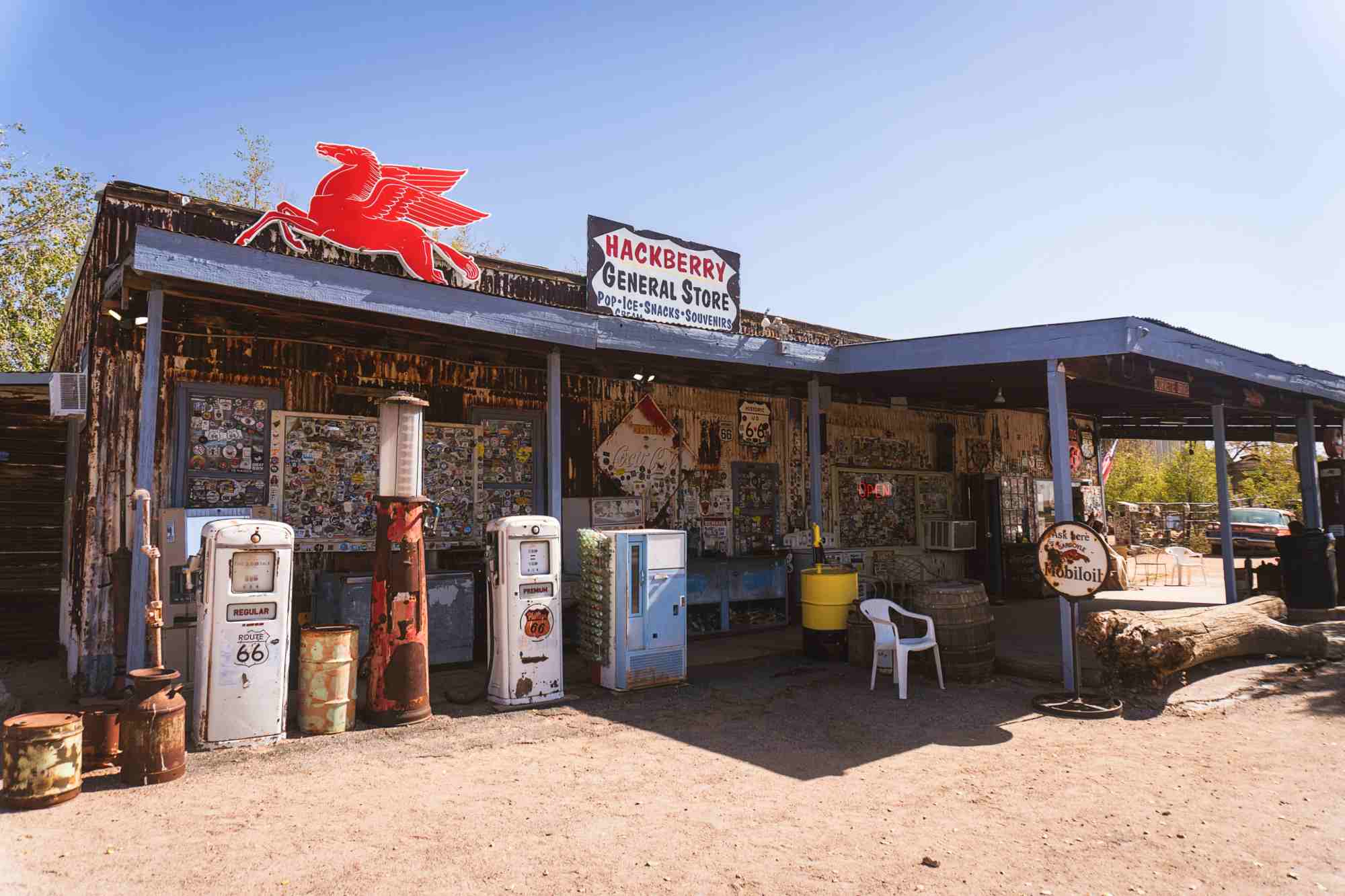
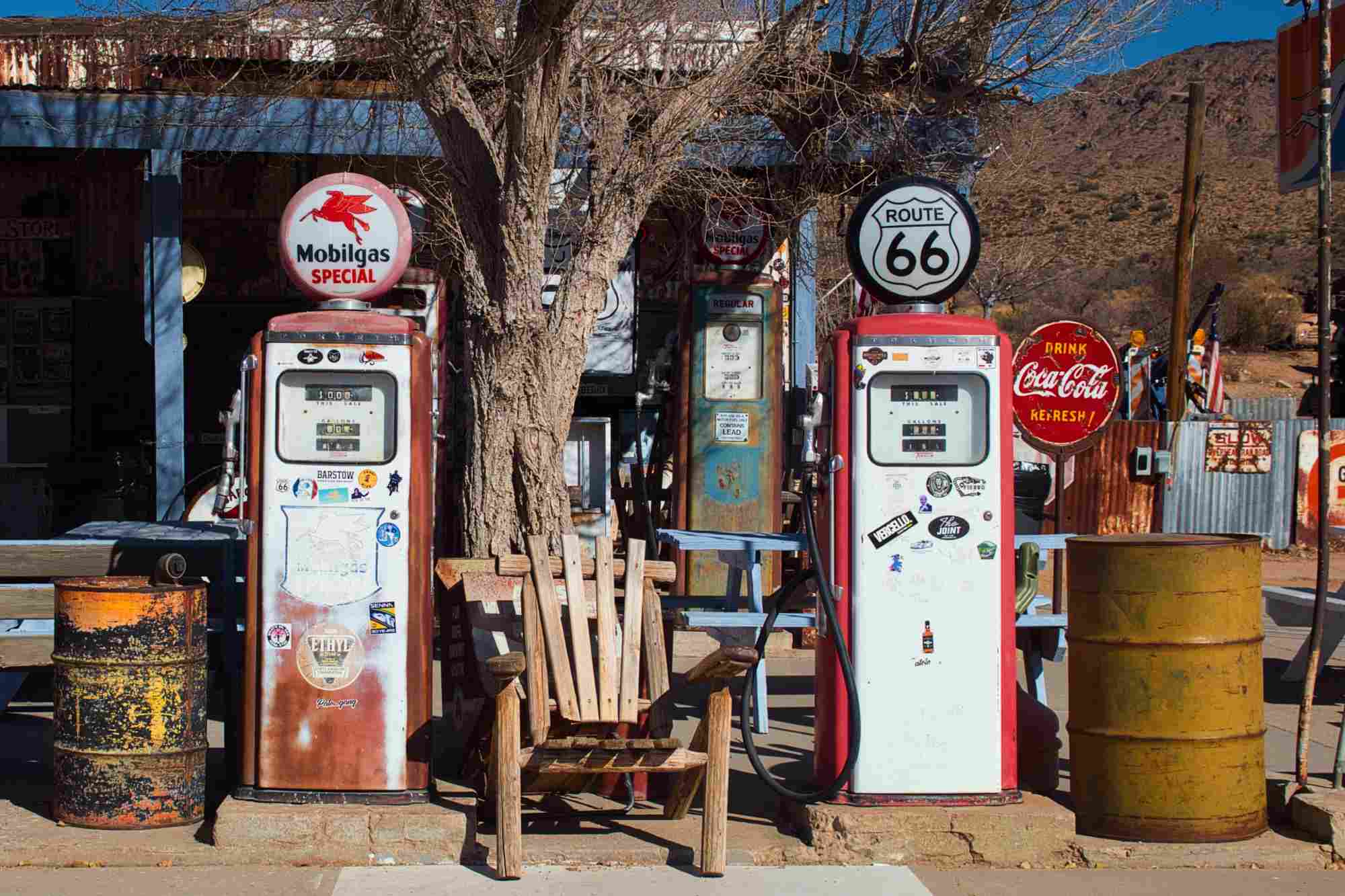
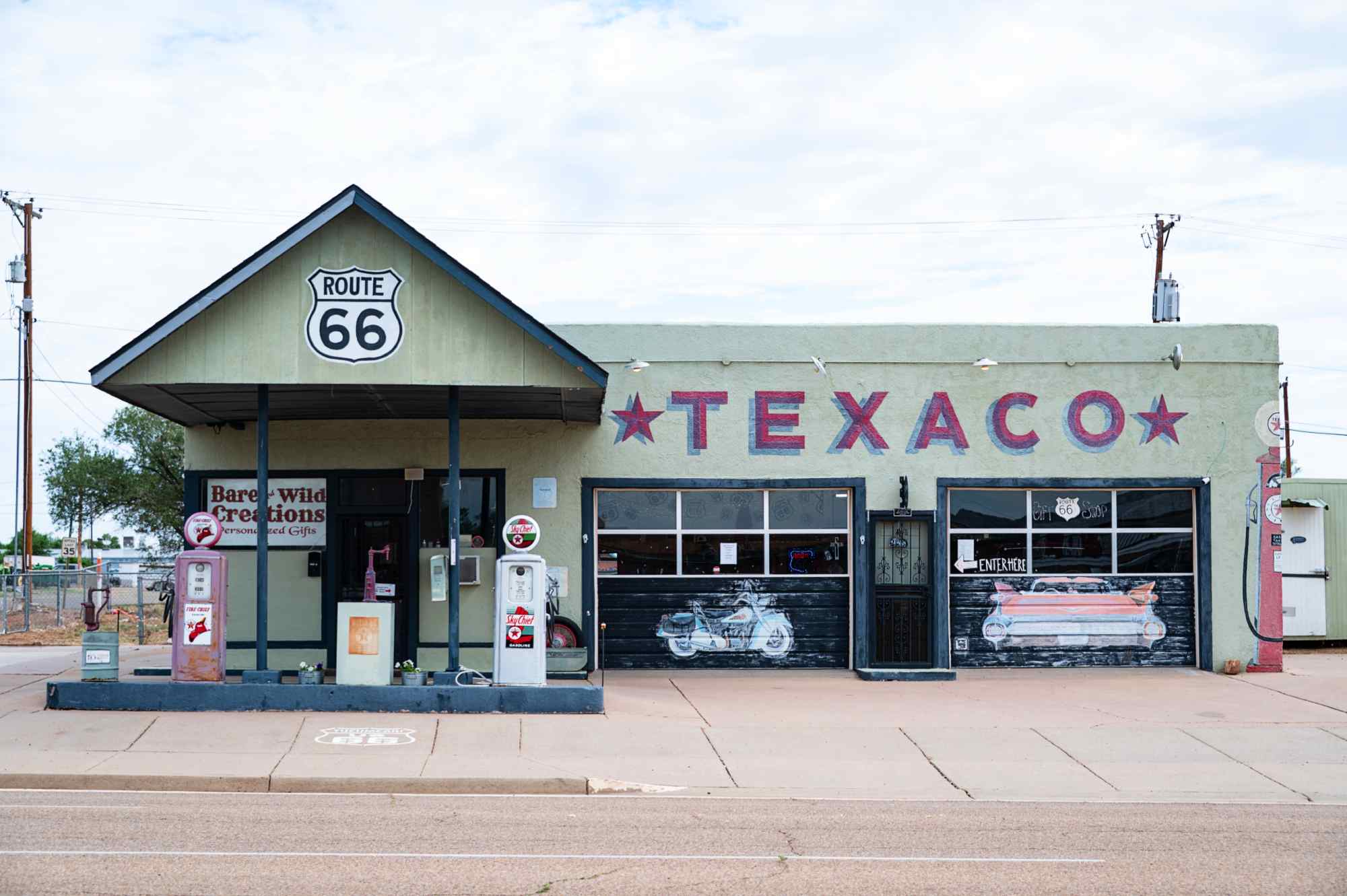
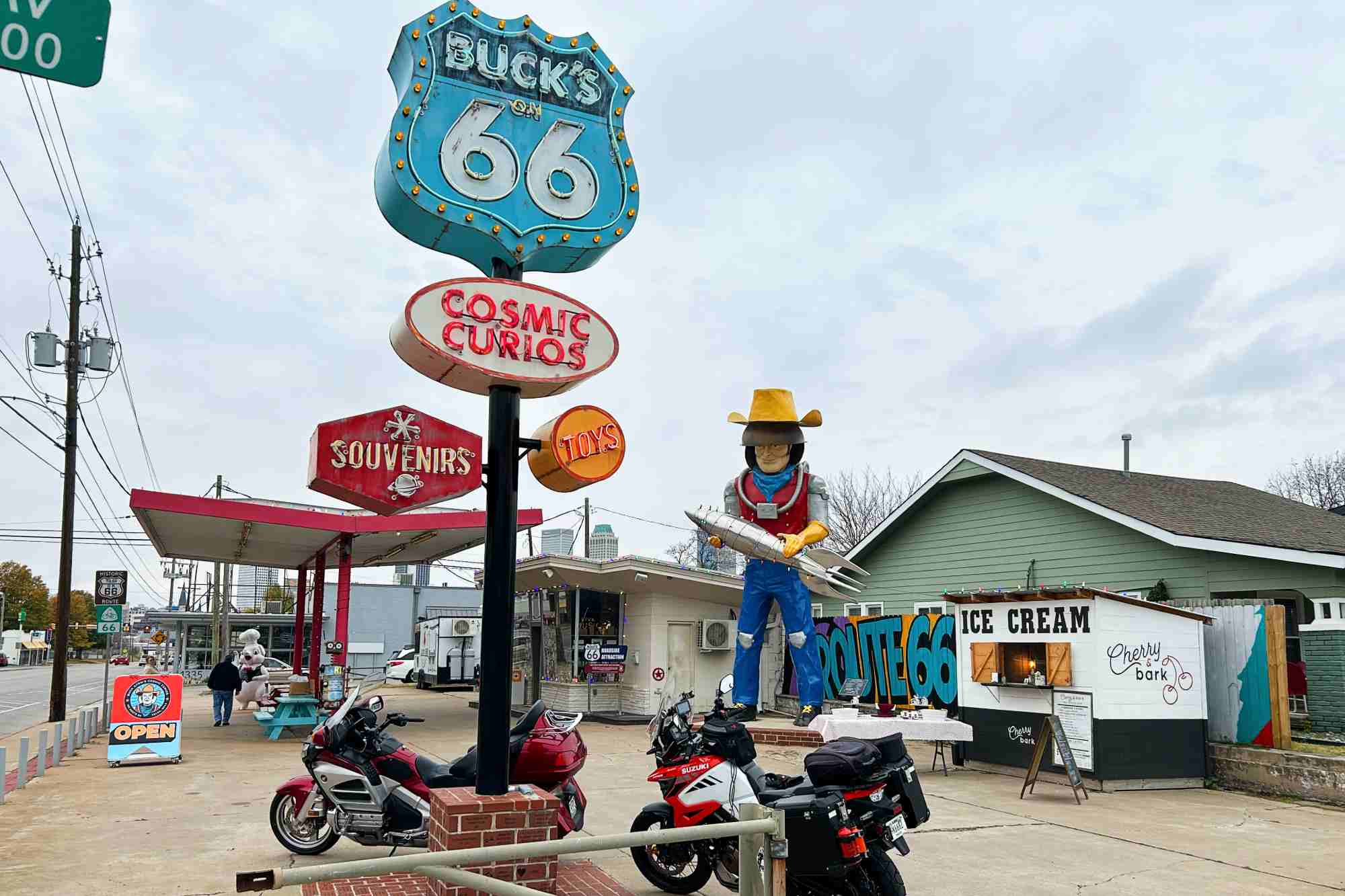
 Gas stations serve a critical role in a country as car-dependent as the United States. Along interstates, they offer travelers a place to fuel up, get a bite to eat, and use the facilities. In small towns or areas without other nearby businesses, gas stations serve as small grocery stores where customers can grab essentials. Some are even attached to museums and historical sites, giving travelers a reason to pull over and spend some money. In Route 66’s heyday, fuel stops functioned a little differently than they do today. In the early 20th century, automobile drivers and motorcyclists bought their fuel from places like pharmacies and hardware stores, either sold in cans or out of barrels. As vehicular travel became more popular and people began driving and riding farther distances, the need for quick roadside fuel arose. The earliest gas stations were little more than barrels housed in rough sheds beside the road. By the mid-1920s and into the 1930s, fuel companies saw an opportunity to sell more gas by catering to long-distance travelers with a welcoming roadside experience. Thus the service station was born. Service stations offered more than just fuel. The whole experience was about service. Attendants would pump fuel, wash windshields, inspect tires and oil level, and perform other maintenance tasks. The cottage-style service stations that replaced poorly constructed roadside fuel sheds gave travelers a chance to stretch their legs, purchase maps, ask for directions, learn local knowledge from helpful attendants, and share stories with fellow road trippers. In many ways, service stations made long-distance automobile and motorcycle travel not only possible but practical. On no stretch of road was this level of care more important than on the long miles between Chicago and Los Angeles. Like the motor courts and eateries that popped up to serve travelers along Route 66, service stations brought much needed revenue to small communities and essential services to those passing through them. When Route 66 was decommissioned, businesses that were born in response to increased travel along the route suffered, including service stations. Many were abandoned and left to crumble over time. Some were transformed into other businesses to meet new needs. Some were demolished to make way for something new. Luckily, a few have survived the decades and been preserved or restored to give travelers a chance to peel back the curtain… [TheTopNews] Read More.3 weeks ago
 - Anthropic Quietly Sets Up Biology Lab As It Ramps AI Drug Program
 The AI giant has an enormous ambition to tackle diseases that it thinks the pharmaceutical industry is neglecting. [TheTopNews] Read More.3 weeks ago
« Previous
1
…
98
99
100
101
102
103
Next »
On the evening of April 6, an unusual request began making its way from Washington to some of Wall Street’s most powerful executives. Treasury Secretary Scott Bessent wanted to see them first thing the next morning. The heads of Bank of America, Citigroup, Goldman Sachs, Morgan Stanley and Wells Fargo had already been in Washington for a routine meeting of the Financial Services Forum, a trade association whose gatherings are usually free of drama. But as the bankers wound down their day over dinner and drinks, that quickly changed. Bessent had learned that the artificial intelligence company Anthropic had developed a new model, called Mythos, which would be released the next day to approved users in the public and private sector, a limited rollout that Anthropic said was the safest way to release its most capable model yet. Treasury secretaries do not typically occupy themselves with Silicon Valley product releases, but the growing capabilities of AI presented a unique threat to the American economy.Anthropic had briefed the government on the advanced model, which was capable of finding holes in digital infrastructure at lightning speed — a skill that could be used for defense in the right hands, or to wreak havoc in the wrong ones. In late March, Microsoft had privately warned administration officials after receiving early access to Mythos that it represented a significant leap and could automate sophisticated cyberattacks against financial institutions, the energy grid and other critical infrastructure, allowing less skilled actors to carry out operations once limited to elite hackers.The White House spun into crisis mode. In the Situation Room, Cabinet secretaries met with the administration’s top science adviser to understand Mythos’ capabilities and brainstorm how their agencies could respond. Afterwards Vice President JD Vance convened a phone call with some of the country's most influential technology executives, including Anthropic CEO Dario Amodei and his leading competitors. Vance conveyed that the administration wanted a partnership in addressing frontier AI that supported innovation while balancing security concerns.“We know today's hot button thing is Mythos, but we know that's not going to be the last one,” an administration official involved in the discussions said, describing the call.That engagement represented a turnabout for a president who had returned to office banking on continued expansion of the American artificial intelligence sector to drive the country’s economic growth. As his AI czar, President Donald Trump chose David Sacks, a cheerleader… [TheTopNews] Read More.
3 weeks ago
Failure doesn’t have to kill ambition. Mike Waltz ought to know.After the infamous Signal chat debacle, which contributed to President Donald Trump's decision to oust him as national security adviser, Waltz was sent to serve as the U.S. ambassador to the United Nations. Instead of hiding at the struggling global institution in New York, Waltz has seized chances to stay in the spotlight, from hosting hip-hop royalty to warning Cuba’s leaders to “change your ways” to blitzing the Sunday shows defending the U.S.-Israel war in Iran.Next week, Waltz will find himself near the cameras again as Trump attends the U.N. General Assembly’s annual gathering of world leaders. It’s an opportunity for Waltz to get facetime with Trump as well as other heads of state in an array of settings. Maybe he will even pass out his team’s popular “MUNGA” hats (“Make the U.N. Great Again”).My understanding is that Waltz is thinking well beyond the corridors of Turtle Bay.Around Washington, there’s speculation that he might someday go for a Senate seat from Florida, and no one rules out a presidential run. I’ve also heard he wouldn’t mind a quicker return to the capital. The late Sen. Lindsey Graham (R-S.C.) told people that Waltz had sought his support in becoming secretary of State should Marco Rubio, whom many pols suspect has presidential aspirations, leave the role. I heard this directly from two people Graham told in separate conversations, one of whom is a Republican elected official. One of them said their conversation with Graham took place several weeks before the senator died on July 11. Graham indicated that he’d spoken with Waltz very recently, the person said.Like many who spoke for this piece, I granted them anonymity to talk about sensitive matters.Asked about Waltz’s talk with Graham, Waltz’s office insisted in a statement: “This conversation never happened. It’s completely fake.” The office criticized POLITICO for reporting on the matter given that there’s no way for the late senator to refute it. Waltz’s office didn’t respond to questions about whether he had any other political aspirations.An aide to the late Graham did not respond to my emails seeking comment.Many people have had second, third or 15th lives in the era of Trump. The president prizes loyalty, or at least likes a good groveler. Waltz stands out, though, because he’s not widely despised or — the Signal screw-up aside — considered incompetent. If anything,… [TheTopNews] Read More.
3 weeks ago
Gina Hinojosa, the Democrat trying to win the governor's mansion in Texas, confessed her love for the Wicked musical whilemixing a strawberry milk latte witheli.rallo (an influencer with 1.2 million TikTok followers). Peggy Flanagan, the Democrat trying to win a Senate seat in Minnesota, ran around the state fair withemmalinechilds (300,400 TikTok followers), wielding“pronto pups” — Midwestern corn dogs — and declaring it the “best day ever.” And Roy Cooper, the Democrat trying to win the Senate race in North Carolina, stood on the sidelines of a campaign rally to askmerenator (57,800 Instagram followers) what her biggest challenge is,teeing up a response about a shaky economy for small business owners. This is campaigning in the age of influencers. As political campaigns are waged more and more on the internet — a place where everyone seems driven by an insatiable hunger for attention — a debate is brewing about whether elections can be won or lost online. After Trump’s 2024 victory, Democrats are playing catch up by taking a page from the GOP playbook: Influencers are being deeply embedded into campaigns, from Florida to Alaska, and candidates are popping up on screen with them, on their turf. Developing an influencer program is now a common component of a campaign, mapped alongside traditional voter outreach methods like door-knocking and phone-banking. This approach isn’t without controversy. Within the Democratic Party there’s a raging discussion about the ethics of engaging boisterous online personalities — and sharp disagreement about whether influencers should be brought on board at all. No one can agree if they should be paid or remain volunteers or if they should be considered independent journalists or campaign surrogates or something else entirely. Longtime Democratic consultants tend to be antsy about influencer adoption, skeptical that any investments will reap dividends come Election Day. Meanwhile a cottage industry of digital firms specializing in connecting campaigns with vetted influencers is booming — a new consultant class eager to cash in on Democrats’ internet inexperience. “This is not something that is optional anymore,” says Stuart Perelmuter, co-founder of digital firm Good Influence, one of those operations. “In the ‘26 cycle, that's when our side woke up to the power of this work.”Nearly 20 years ago, rapper/producer will.i.am of Blackeyed Peas fame stared directly into the camera, looking somber. As a few guitar chords began to play, Barack Obama, a baby-faced Democrat running for president, appeared on… [TheTopNews] Read More.
3 weeks ago
Gas stations serve a critical role in a country as car-dependent as the United States. Along interstates, they offer travelers a place to fuel up, get a bite to eat, and use the facilities. In small towns or areas without other nearby businesses, gas stations serve as small grocery stores where customers can grab essentials. Some are even attached to museums and historical sites, giving travelers a reason to pull over and spend some money. In Route 66’s heyday, fuel stops functioned a little differently than they do today. In the early 20th century, automobile drivers and motorcyclists bought their fuel from places like pharmacies and hardware stores, either sold in cans or out of barrels. As vehicular travel became more popular and people began driving and riding farther distances, the need for quick roadside fuel arose. The earliest gas stations were little more than barrels housed in rough sheds beside the road. By the mid-1920s and into the 1930s, fuel companies saw an opportunity to sell more gas by catering to long-distance travelers with a welcoming roadside experience. Thus the service station was born. Service stations offered more than just fuel. The whole experience was about service. Attendants would pump fuel, wash windshields, inspect tires and oil level, and perform other maintenance tasks. The cottage-style service stations that replaced poorly constructed roadside fuel sheds gave travelers a chance to stretch their legs, purchase maps, ask for directions, learn local knowledge from helpful attendants, and share stories with fellow road trippers. In many ways, service stations made long-distance automobile and motorcycle travel not only possible but practical. On no stretch of road was this level of care more important than on the long miles between Chicago and Los Angeles. Like the motor courts and eateries that popped up to serve travelers along Route 66, service stations brought much needed revenue to small communities and essential services to those passing through them. When Route 66 was decommissioned, businesses that were born in response to increased travel along the route suffered, including service stations. Many were abandoned and left to crumble over time. Some were transformed into other businesses to meet new needs. Some were demolished to make way for something new. Luckily, a few have survived the decades and been preserved or restored to give travelers a chance to peel back the curtain… [TheTopNews] Read More.
3 weeks ago
The AI giant has an enormous ambition to tackle diseases that it thinks the pharmaceutical industry is neglecting. [TheTopNews] Read More.
3 weeks ago

The Searchable USWebDaily.com and TheTopNews NewsBank Helps You Be Better Informed, Faster! Spread The Word.