








Searchable News & Info From Reliable Online Sources.
- Record Gas and Diesel Prices Hit U.S. Drivers Over Labor Day Weekend
 American motorists faced record fuel costs over the Labor Day weekend as gasoline and diesel prices climbed sharply amid ongoing disruptions in global energy markets. The increases placed additional pressure on holiday travelers while creating an even greater financial burden for truck drivers and motor carriers that depend heavily on diesel. According to AAA, the national average price for regular gasoline reached approximately $4.14 per gallon heading into Labor Day before increasing another penny on the holiday. That surpassed the previous Labor Day record of about $3.82 per gallon set in 2012. The increase represents a dramatic change from Labor Day 2025, when gasoline averaged roughly $3.15 to $3.19 per gallon nationally. Throughout August 2026, the national average remained above $4 per gallon every day, making it the most expensive August on record for American motorists. Diesel prices have risen even more sharply. The national average reached approximately $5.85 per gallon before the holiday and climbed to around $5.90 on Labor Day. That represents a record level and is particularly significant for the trucking industry, where fuel remains one of the largest operating expenses. Truck drivers can purchase hundreds of gallons during long-distance trips, meaning even relatively small changes in diesel prices can substantially increase operating costs. Higher diesel expenses can also affect consumers because trucks transport much of the food, retail merchandise, building materials, and other goods used throughout the country. Geopolitical instability has been a major factor behind the increase. The conflict involving Iran has disrupted crude oil flows through the Strait of Hormuz, one of the world’s most important energy shipping routes. Reduced tanker traffic and uncertainty surrounding future oil supplies have kept crude prices elevated and contributed to higher retail fuel costs. Additional pressure is coming from global refining conditions. U.S. refineries have been operating near maximum capacity, limiting their ability to quickly increase fuel production. Meanwhile, disruptions involving Russian refineries and lower refinery output elsewhere have tightened global supplies of diesel and other refined petroleum products. Despite higher gasoline prices, Americans continued traveling during the holiday period. AAA has noted that historically, elevated fuel prices alone have not caused a major reduction in holiday travel. Many consumers instead adjust other expenses while continuing with previously planned road trips. For trucking companies, however, sustained diesel prices near record levels can have broader consequences. Larger fleets may offset some costs through fuel surcharges, negotiated fuel programs,… [TheTopNews] Read More.2 weeks ago
 - ‘Good to have choice’: Australians on opting out of social media alg...
 The BBC spoke to people in Sydney about Australia's plans to force social media companies to allow users to easily opt in or out of personalised algorithms. [TheTopNews] Read More.2 weeks ago
 - Ousted Kennedy Center Chairman Buys Dismantled ‘Blue’ Sculpture
 David Rubenstein purchased the sculpture, which was removed from the center last week, from the artist’s foundation. He will display it at the National Gallery of Art. [TheTopNews] Read More.2 weeks ago
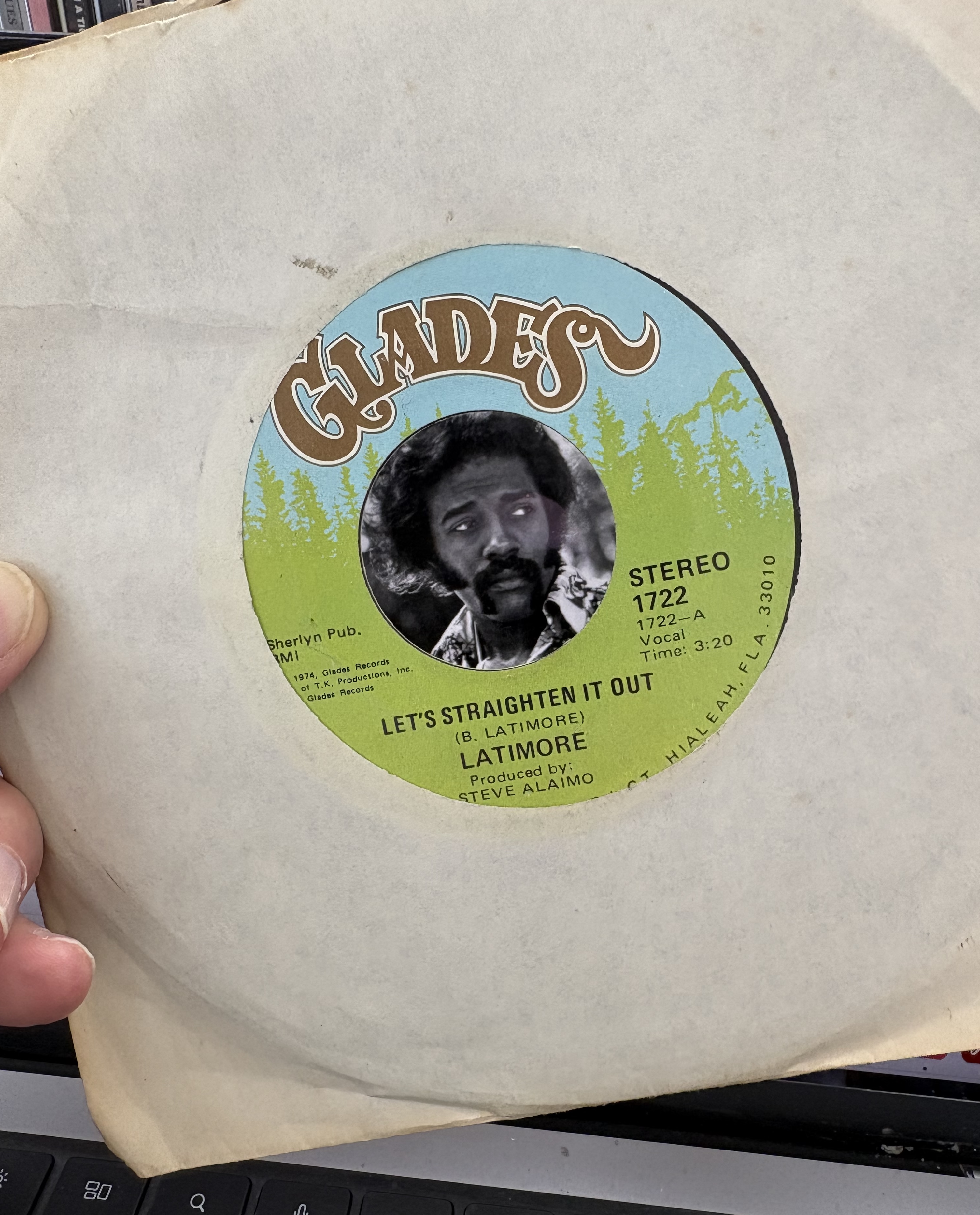
 - RIP Latimore
 Latimore’s “Let’s Straighten It Out” is one of my favourite soul records of the ’70s. Or any time, come to that. Largely because of how it sounds, but also because of its difference. Most deep-soul ballads are written from a solipsistic perspective: the singer is concentrating on him- or herself, bemoaning his or her loss and the consequent heartbreak. That’s understandable enough. Such a song enables the listener to make a very direct identification with the message, whether it’s “The Tracks of My Tears” or “Stay With Me, Baby”, or even something with a slightly more complicated narrative, such as “Any Day Now” or “Go Now”. But “Let’s Straighten It Out” does something different. Sit yourself down, girl, and talk to me / Tell me what’s on your mind / Don’t keep on telling me everything’s okay / Cause if it was then you wouldn’t be crying… The singer knows that something is badly amiss with his lover and he wants to know what it is. For five nights she’s been tossing and turning, crying in her sleep, not even saying good night. His entreaties are insistent but gentle and compassionate. The only concession to orthodoxy is the suggestion that “Instead of crying your eyes out, honey / You and me ought to be getting it on.” He just wants to know the truth, and where he stands within it, and he’s taking care to control whatever incipient anger that truth might provoke. It’s more like the approach a country music writer might take. The death of Benny Lattimore, as he was born in Charleston, Tennessee, was announced in the New York Times‘s obituaries section yesterday. He was a couple of weeks short of his 87th birthday. If he never regained the peak of “Let’s Straighten It Our”, an R&B No 1 hit in 1974, he had a solid career as a singer and keyboard player, appearing — for example — on half a dozen tracks of Joss Stone’s debut album in 2003. “Let’s Straighten It Out” was recorded for Henry Stone’s Glades label in Miami, Florida. The producer was Steve Alaimo, using the TK Records studio and some of its house musicians: the bass guitarist Ron Bogdan and the drummer Robert Fergusen, who play beautifully while staying out of the way. You need to hear the five-minute album version rather than the 45 edit… [TheTopNews] Read More.2 weeks ago
 - The Film Industry Is Worried About Survival. France Wants to Save the Day.An A-list gathering in the French Riviera aimed to serve as a rallying cry for a sector threatened by YouTube, TikTok and artificial intelligence. [TheTopNews] Read More.2 weeks ago
- For a Photographer, the Towers Were an Ever-Present Focal PointKeith Meyers spent years photographing the waterfronts in and around New York City. The twin towers became a constant backdrop. [TheTopNews] Read More.2 weeks ago

The Searchable USWebDaily.com and TheTopNews NewsBank Helps You Be Better Informed, Faster! Spread The Word.